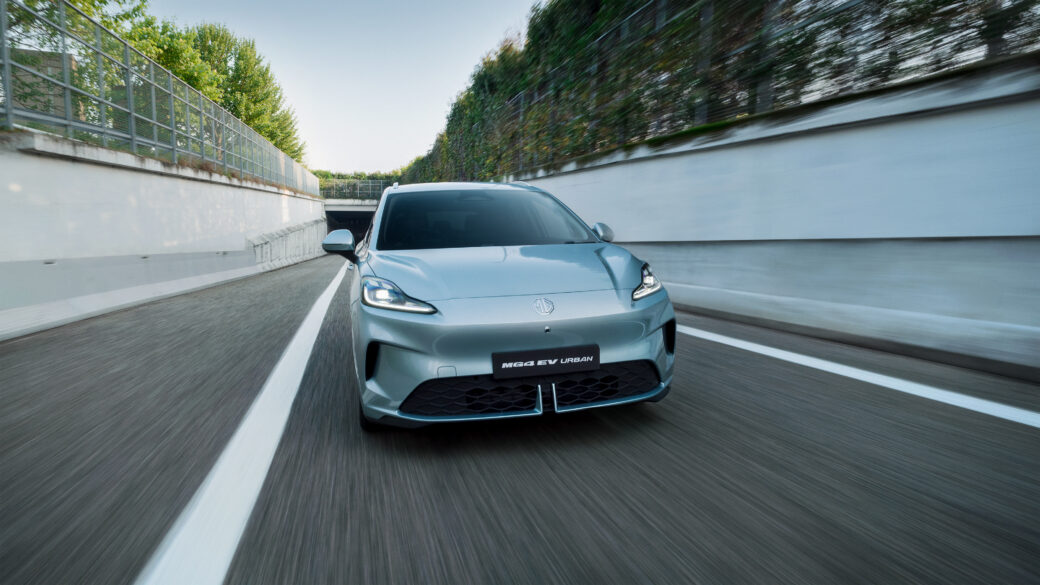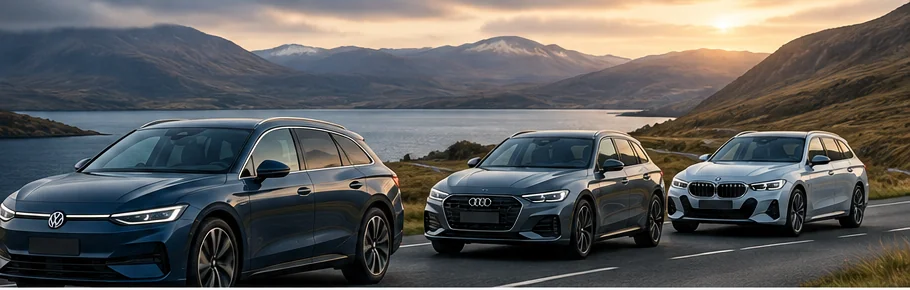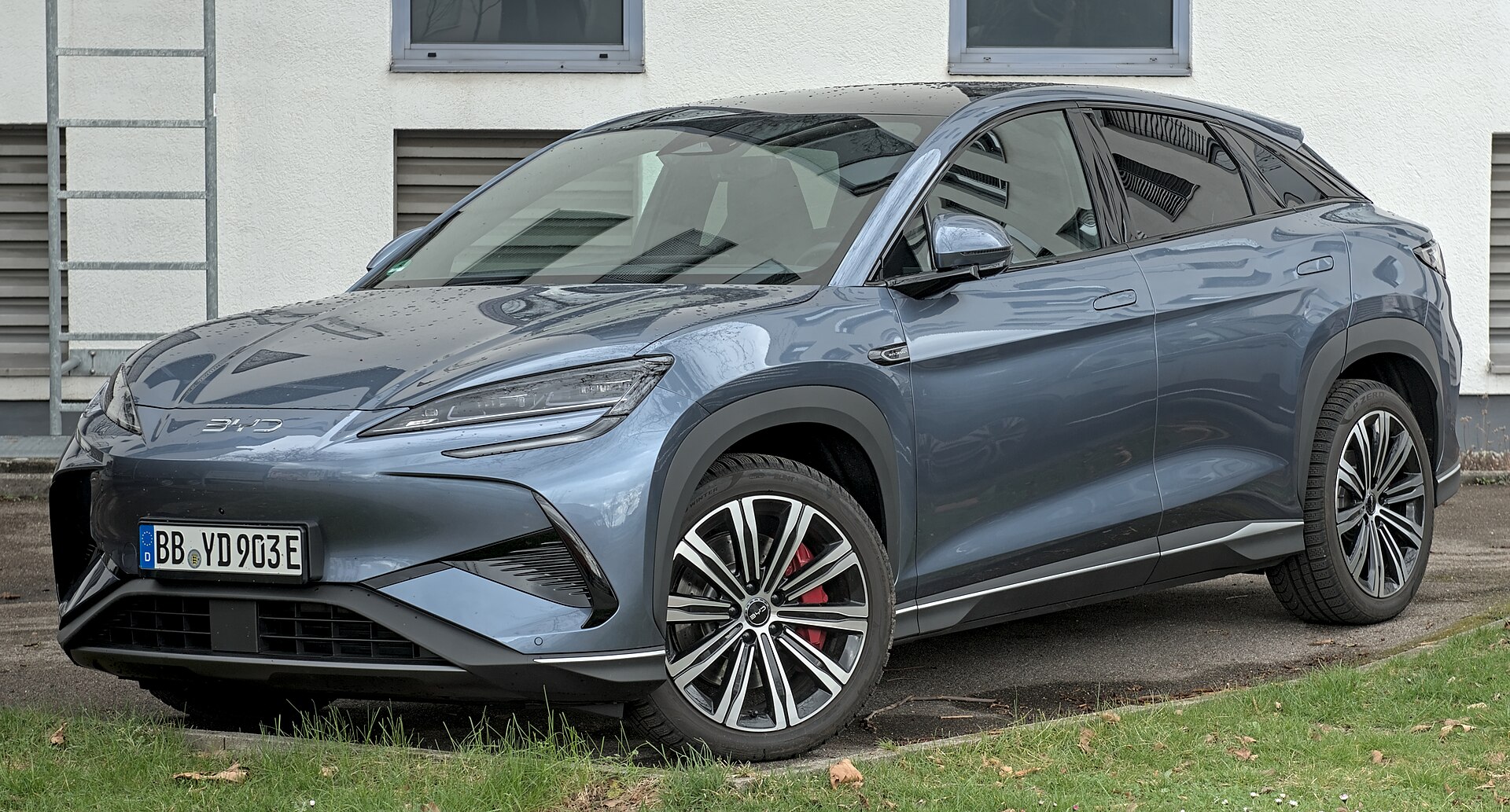
A year or two ago, many British drivers would have struggled to identify a BYD, Leapmotor, XPeng or Deepal badge. Now some of those names are turning up in the UK's best-selling electric-car charts. They are newcomers to many UK drivers, not necessarily new manufacturers. Behind several unfamiliar badges sit enormous, experienced automotive groups.
The change is measurable. The Society of Motor Manufacturers and Traders (SMMT) recorded 99,201 battery-electric car registrations in September 2026, 36.3% more than in September 2025. Across January–September, 454,947 new BEVs were registered, up 30.2%. UK buyers can now choose from 178 BEV models, more than double the number offered in 2023.
But these new names are not all playing the same game. One is attacking the bottom of the price list; another is selling rapid-charging technology; another is betting that eight years of ownership cover is more persuasive than a giant infotainment screen. And success with petrol or hybrid models can easily be mistaken for success with fully electric cars.
How the newcomers are doing it
BYD: scale, batteries and a car for every budget
BYD launched passenger cars in the UK in 2023, so it predates the past 18 months. Its wider public recognition, however, has grown quickly. In a May 2026 Motorpoint survey, 62% of motorists recognised BYD, up from 41% in 2025. BYD's January–September registration total reached 68,405, compared with 35,604 a year earlier. That 92% rise is across all powertrains, not just electric cars.
BYD's competitive advantage is its battery and vehicle manufacturing scale, including its Blade Battery technology, combined with choices that reach from the Dolphin Surf to the Seal and Sealion 7. The EV-only evidence is substantial: September's UK BEV top ten included 3,191 Sealion 7 and 3,184 Seal registrations.
Leapmotor: electric cars that make people look twice at the price
Leapmotor entered the UK in 2025 with backing from a joint venture with Stellantis, the global group behind Vauxhall, Peugeot, Citroën and Fiat. That brings an established retail and parts infrastructure to a badge shoppers are still getting to know.
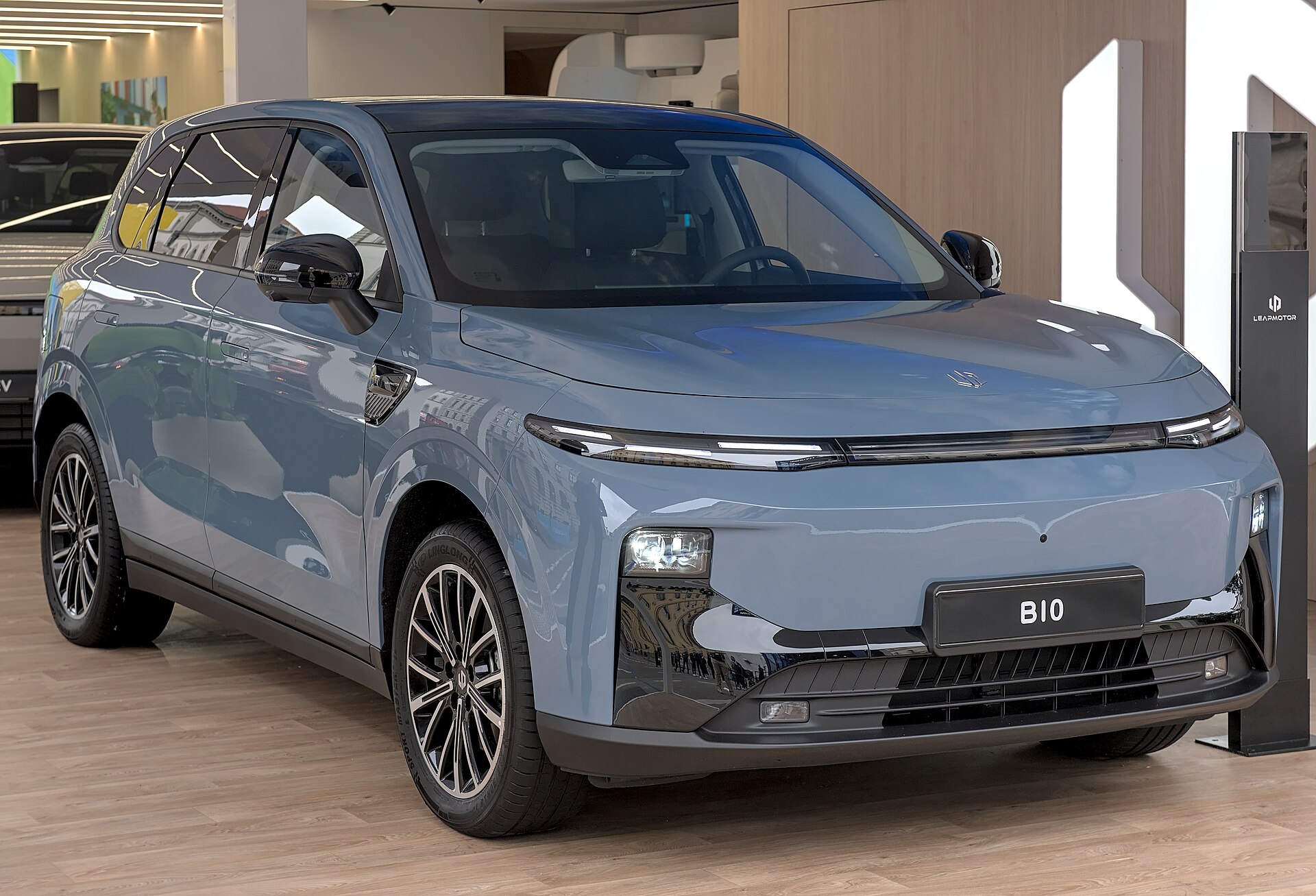
The T03 electric city car was advertised from £12,995 in August 2026 after a manufacturer-funded LEAP-GRANT. Its B10 electric SUV launched with a £29,995 retail price after a £1,500 manufacturer saving, and recorded 1,883 UK registrations in September — enough to appear among the month's ten leading BEV models. These advertised prices are conditional; grants and finance offers change.
XPeng: sell the technology, not just the badge
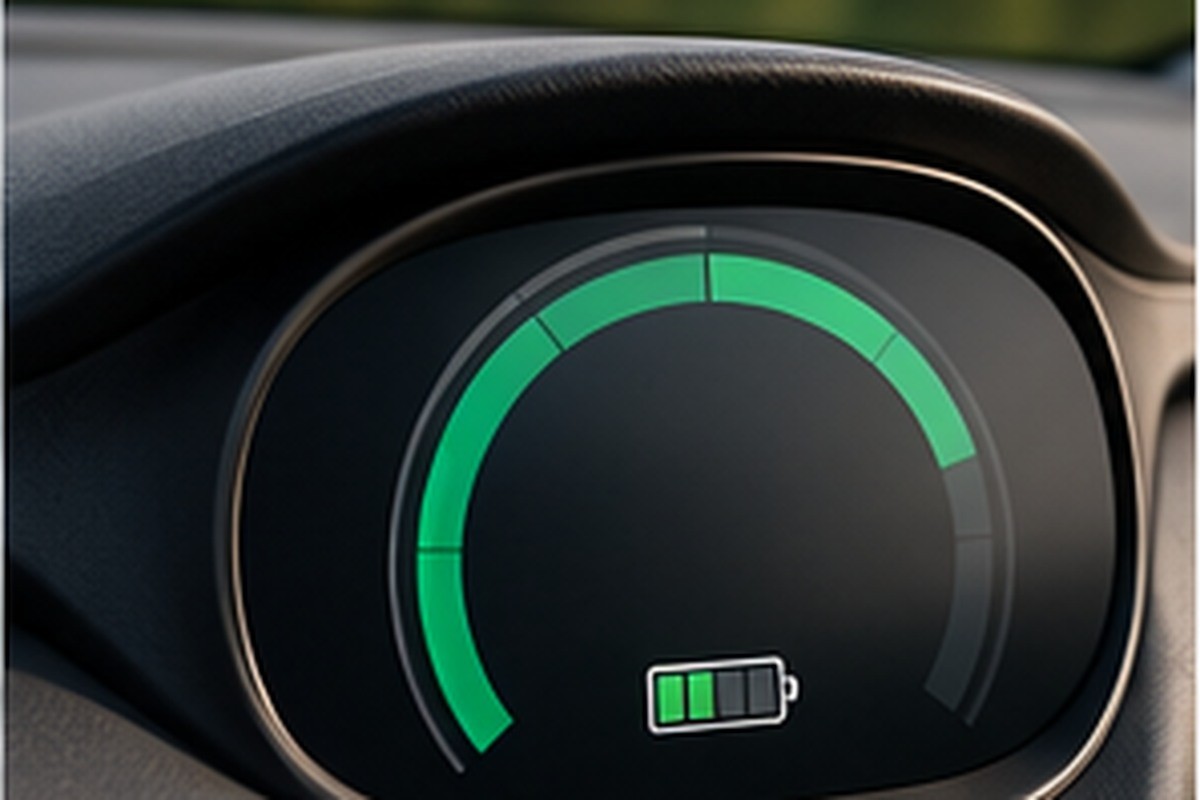
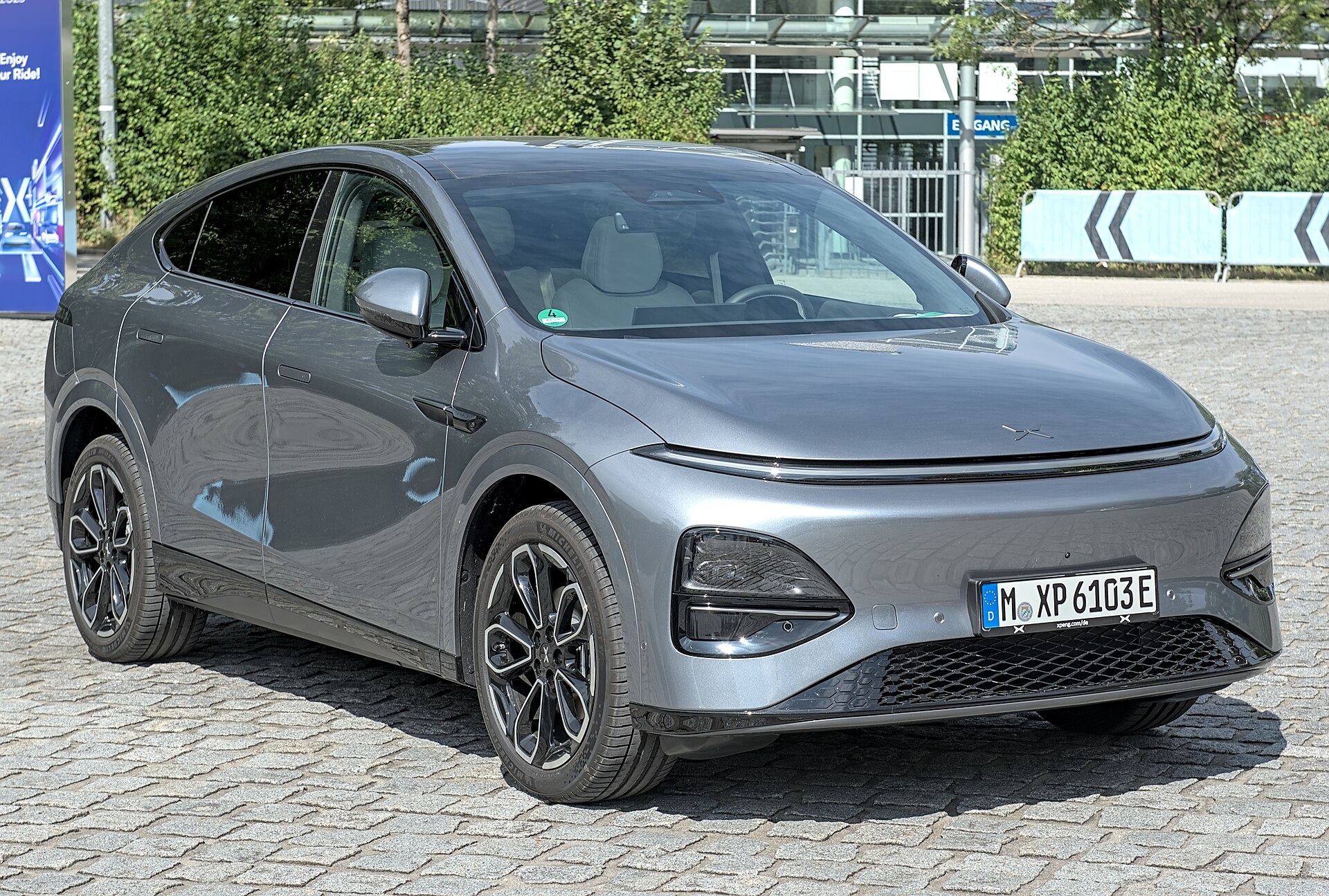
XPeng formally arrived in the UK in February 2025 with its G6 SUV and a dealer partnership with International Motors. Its pitch is less about the cheapest purchase price and more about software, design and charging performance. XPeng says the updated G6 can charge 10–80% in about 12 minutes, with peak charging power up to 451kW under ideal conditions on a compatible charger.
That is a strong headline, but it is a manufacturer claim, not a promise of 12 minutes at every motorway stop. Charger capability, temperature, battery condition and charging-curve behaviour matter. For long-distance drivers, those variables may be just as important as the official WLTP range.
Changan Deepal: UK engineering in a less familiar package
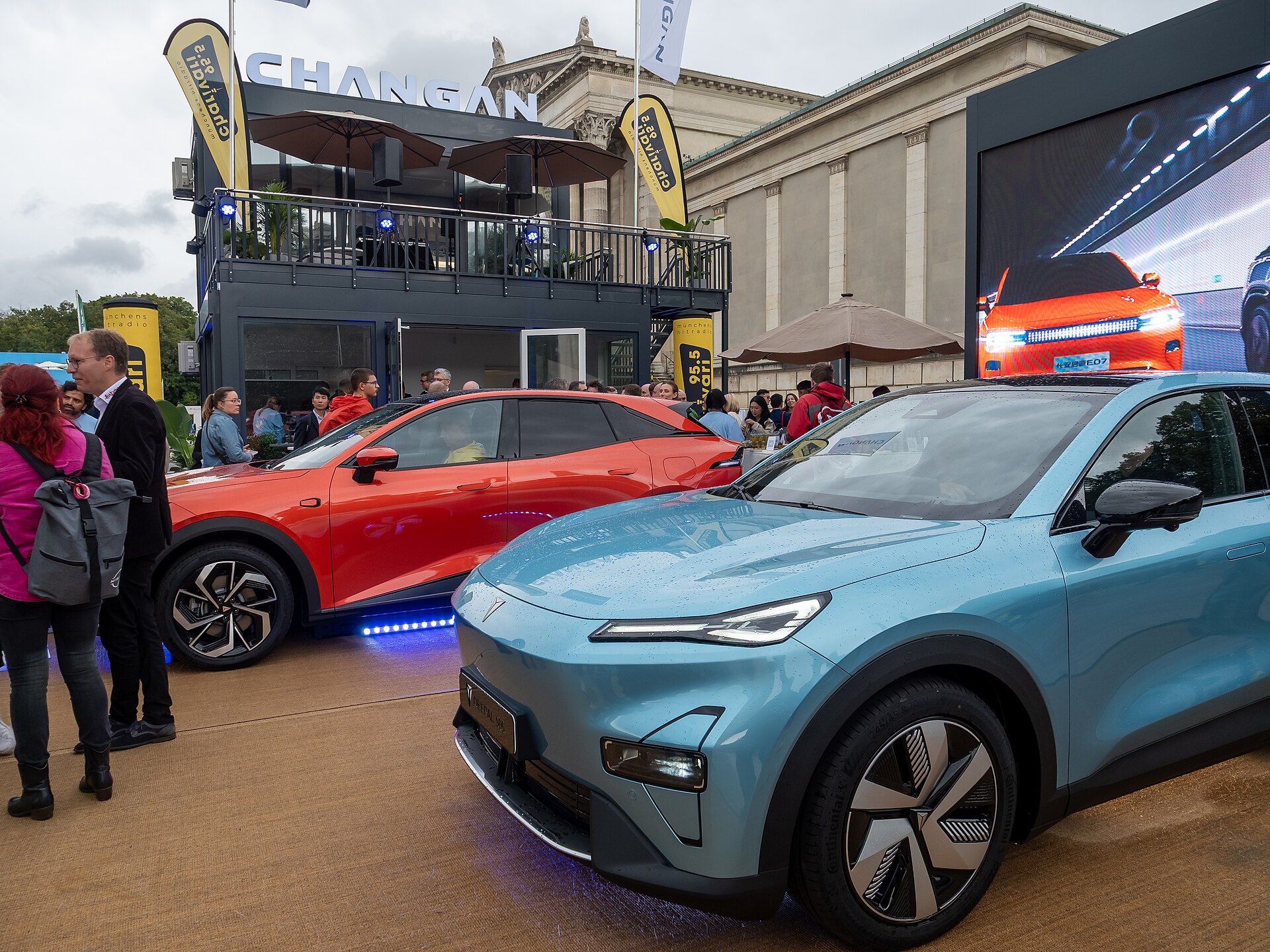
Changan's Deepal S07 launched in the UK in 2025, followed by the electric S05 in 2026. Changan has a European design operation in Turin and UK research and development in Birmingham. Its S05 electric crossover has a 68.8kWh LFP battery and a claimed up to 303-mile WLTP range in rear-wheel-drive form, with UK pricing announced from £37,990 at launch.
This is a different strategy from Leapmotor's budget pitch: a highly equipped SUV, UK-specific work and European design credentials. Changan has also introduced a plug-in hybrid version of the S05, which should not be counted as a full BEV.
Geely: the name may be new, but the group isn't
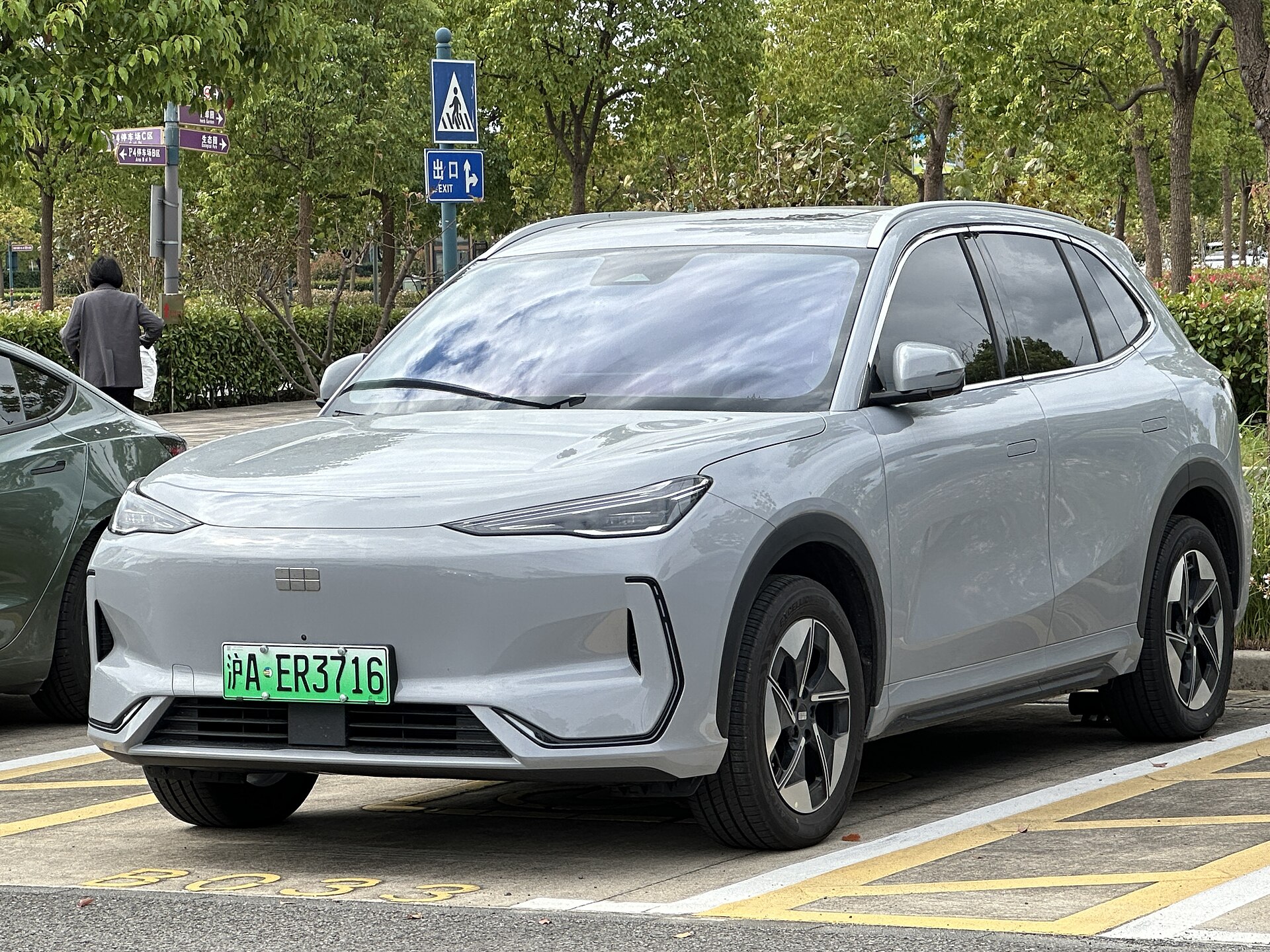
Geely Auto launched under its own badge in Britain in October 2025, beginning with the EX5 electric family SUV, initially priced from £31,990. It opened with 25 franchised showrooms and outlined a wider expansion plan. The broader Geely group already has deep involvement with established brands including Volvo, Polestar and Lotus.
That history may reassure buyers who have never heard of the EX5. But a familiar parent group does not automatically guarantee identical servicing arrangements, software support or residual values across every brand: shoppers should check the particular UK warranty and dealer network.
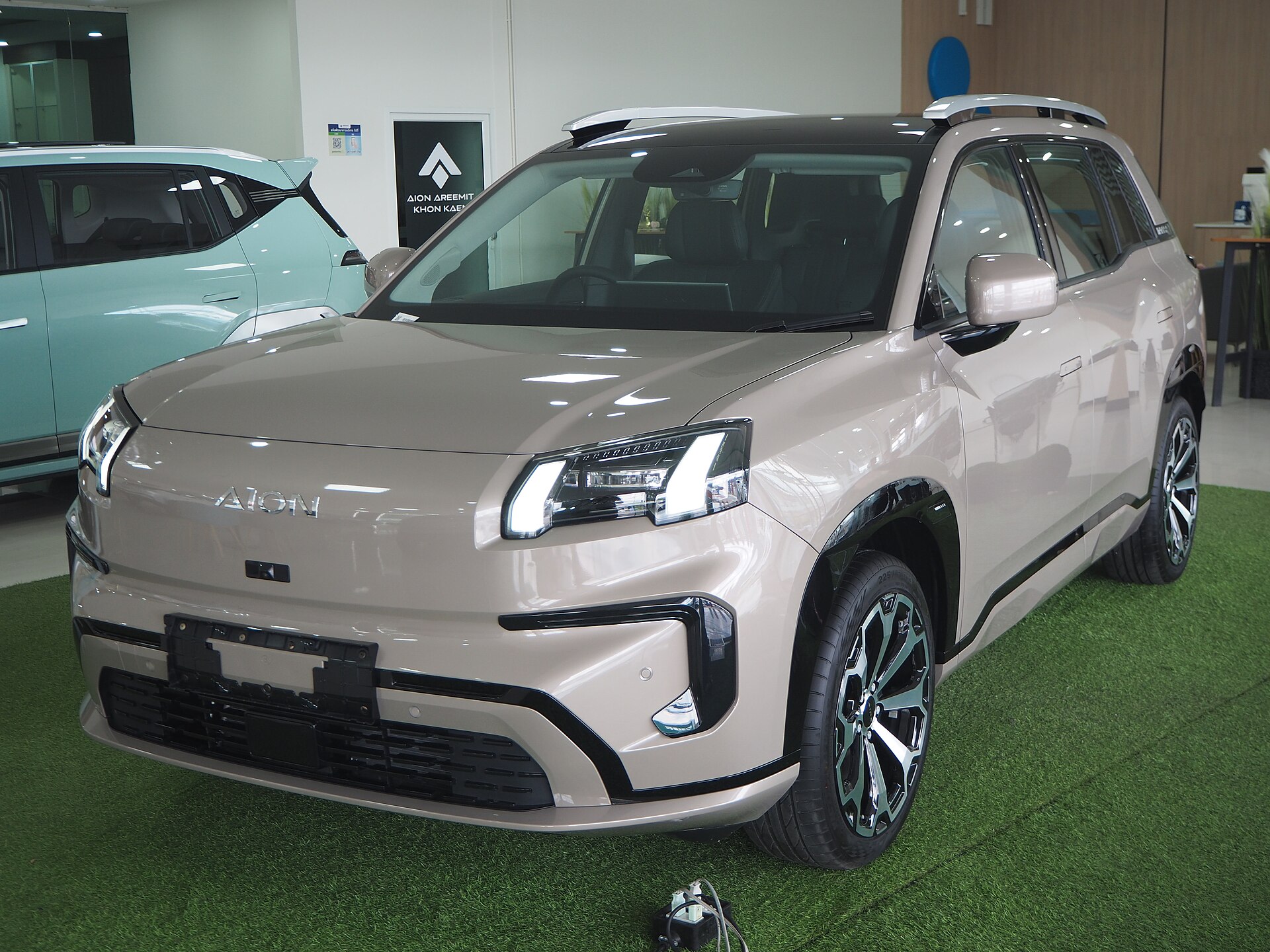
Aion: make buying an unknown badge feel less risky
GAC-backed Aion arrived in the UK in 2026, first with the Aion V electric SUV at £36,450 and then the Aion UT electric hatchback, priced at £28,950 with a claimed 268-mile WLTP range. Rather than relying on low sticker prices alone, it is promoting its 'Great 8' ownership promise: eight years of warranty, servicing, roadside assistance and MOT provision, subject to the published terms.
The attraction is clear: unfamiliar badges carry ownership uncertainty, and practical aftersales support may matter more to many families than performance figures. Eight years of benefits is not the same as a blanket guarantee that every possible repair is covered: always read the exclusions and servicing rules.
And what about Omoda and Jaecoo?
They're central to the influx, but being an exciting newcomer isn't the same as being a battery-electric success. The Jaecoo 7 was the UK's best-selling new car of *any fuel type* in September 2026, with 10,814 registrations according to the SMMT. Most of that headline is not about fully electric vehicles: the model range includes petrol and plug-in hybrid versions.
For an EV-only comparison, look to models such as the Omoda E5 and Jaecoo 5 EV. We should never quietly add conventional hybrids, plug-in hybrids and battery-electric registrations together and present the result as 'EV sales'.
The lesson from Skywell: getting into Britain is not the same as staying
Not every new badge will become a permanent fixture. Skywell launched its BE11 electric SUV in 2024, but UK sales were paused in summer 2026 when importer Innovation Automotive ceased trading. At the time, a replacement distributor and long-term arrangements for warranty, service and parts had not been confirmed publicly. It is a useful reminder to check the company that will support a car *after* the sale, not just the manufacturer's international size.
Read the July 2026 Skywell reporting.
What should buyers check before trying an unfamiliar brand?
- The actual BEV version: A similar-looking petrol or plug-in hybrid model is not interchangeable with a fully electric car.
- A realistic journey: WLTP is a standardised test figure, not a winter motorway guarantee. Compare the exact battery, motor and model year.
- Charging performance: Check the *charging curve*, not just the maximum advertised kW, and look for tests on compatible UK chargers.
- Local support: Where is the nearest authorised service centre? Who supplies parts? Who handles a warranty claim if the importer changes?
- Long-term value: Investigate insurance, residual values, software updates and battery-warranty exclusions.
- Evidence from real owners: Take both enthusiastic launches and negative anecdotes in context; seek repeated journeys and longer ownership histories.
The test that matters to MyEVRange
These brands are helping expand choice and challenge what buyers expect for their money. But striking specifications, showroom launches and a high SMMT ranking don't answer the question 'How far will this exact car go on my commute or a cold motorway journey?'
That's why MyEVRange keeps official WLTP figures and source-modelled estimates distinct from genuine owner-submitted journeys. The catalogue includes some of these new brands already. Where driver evidence is thin, it should say *waiting for drivers*, not invent a confident real-world average.
Browse electric cars on MyEVRange, compare range figures, and learn how our range methodology works. If you drive one of these newcomers, your accurately recorded journeys could be particularly valuable because independent owner data is still limited.
Sources and reporting notes
- SMMT UK registration figures for September and January–September 2026, published 5 October 2026.
- SMMT September 2026 EV market summary.
- Motorpoint emerging-brand awareness survey, 12 May 2026, n=2,000 UK owners; recognition self-reported.
- BYD Dolphin Surf UK media information and Leapmotor B10 UK press pack.
- XPeng official UK entry and updated G6 charging claim.
- Changan Deepal S05 UK information.
- Geely UK launch announcement.
- Aion UT price and warranty package.
- Skywell UK importer closure and owner support reporting.
Checked 22 October 2026. UK registrations include fleet and business vehicles as well as private customers. Where labelled, manufacturer sales totals cover all powertrains. Prices are launch or advertised UK figures as dated above, and some require manufacturer-funded savings. WLTP claims apply to specified versions and are not a substitute for owner-measured range. MyEVRange has not independently verified manufacturer technical claims, warranty outcomes or real-world performance.